
Table of Contents
ToggleWhen I started looking into the best DSLR cameras for beginners, I quickly realized how important it is to choose a camera that is easy to use, delivers excellent image quality, and allows room to grow as your skills improve.
The DSLR cameras discussed above are great for beginners because they offer helpful shooting modes, reliable autofocus, strong photo and video performance, and often come with complete accessory bundles to get started right away.
In this guide, I’ll walk you through the key features that make a DSLR beginner-friendly, share some of the top picks worth considering, provide a simple buying guide to help you choose the right one, and answer common FAQs so you can feel confident about picking the best camera for your photography journey.
Best Dslr Cameras for Beginners
1)Canon EOS Rebel SL3 DSLR Camera
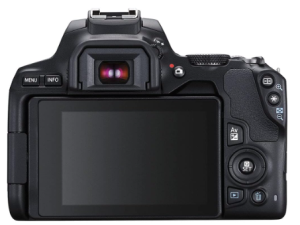
The Canon EOS Rebel SL3 DSLR Camera Bundle is an excellent choice for beginners who want a complete starter kit that makes learning photography and videography fun and rewarding. This package comes with everything a new creator needs right out of the box, including an 18–55mm lens, memory card, filters, additional lenses, tripod options, flash, and accessories that help build confidence while shooting.
For anyone stepping into DSLR photography or trying out video creation for the first time, it offers simplicity, capability, and tools that support creative growth.
The camera itself features a 24.1 megapixel APS-C CMOS sensor paired with Canon’s DIGIC 8 image processor. This combination delivers sharp images with rich detail and good color reproduction, which is especially helpful when you’re still mastering composition and exposure.
Shooting in different lighting conditions becomes easier thanks to an ISO range of 100–25600, giving you flexibility whether you’re outdoors in bright daylight or indoors in more challenging light.
Videographers will appreciate the ability to shoot UHD 4K video at 24 frames per second, as well as create 4K time-lapse movies. These features let you explore creative video projects beyond traditional photos. The camera’s 3.0-inch vari-angle touchscreen with 1.04m-dot resolution makes framing shots intuitive, whether you’re holding the camera high, low, or taking selfies and vlogs. Touch controls also simplify navigating menus and adjusting focus points.
Autofocus performance is solid for a beginner camera, with a 9-point AF system and Dual Pixel CMOS AF for smooth, responsive focusing during video and live view shooting. Continuous shooting up to 5 frames per second gives you room to capture action and expression, which is especially useful when photographing events, pets, or sports.
Built-in Wi-Fi and Bluetooth make it easy to connect to your smartphone or tablet for remote control and quick sharing of images and videos.
The included accessories bundle adds excellent value. A 64GB Class 10 SD card provides plenty of storage to get started. The 3-piece 58mm filter kit and additional .43x wide-angle and 2.2x telephoto lenses help expand your creative range without extra purchases.
The full set of mounting options, from a full-size and a tabletop tripod to a flash and cleaning tools, ensures you have what you need to learn, practice, and grow without missing essentials.
Pros
- High resolution 24.1 megapixel APS-C sensor with DIGIC 8 processor for great image quality
- Vari-angle touchscreen simplifies framing and control for beginners
- UHD 4K24p video and 4K time-lapse movie options open creative video possibilities
- Dual Pixel CMOS AF and 9-point AF system help keep subjects in focus
- Built-in Wi-Fi and Bluetooth for easy wireless connection and sharing
- Comprehensive accessory bundle gives everything needed to start shooting
Cons
- Autofocus has fewer focus points compared to more advanced models
Overall, the Canon EOS Rebel SL3 DSLR Camera Bundle stands out as one of the best DSLR cameras for beginners. Its mix of strong image quality, easy-to-use features, and a generous accessory package makes it a highly appealing choice for anyone starting their photography or video journey.
2) Canon EOS 2000D / Rebel T7 DSLR Camera

The Canon EOS 2000D, also known in some regions as the Canon EOS Rebel T7, is a great DSLR choice for beginners stepping into the world of photography and videography. Designed to be easy to use while delivering solid performance, this camera and its deluxe bundle give new creators the tools they need to explore their creativity right away.
With a complete kit that includes essential accessories, it’s an inviting package for people who want to learn without the hassle of picking up extra gear separately.
The camera features a 24.1 megapixel APS-C CMOS sensor paired with Canon’s DIGIC 4+ image processor. This combination delivers sharp images with pleasing color and detail, which makes everyday photography more rewarding for someone just starting out. The 3.0-inch 920k-dot LCD monitor gives a clear view for composing shots and reviewing your work, which helps as you grow your confidence behind the lens.
For video creators, the EOS 2000D records Full HD 1080p at up to 30 frames per second. While not as high resolution as 4K, this quality is more than enough for casual videos, family moments, or social media content. The camera’s autofocus system uses 9 points along with AI Servo AF to help maintain focus on moving subjects, which makes shooting dynamic scenes easier.
Its extended ISO range up to 12800 gives flexibility in a range of lighting conditions, though it’s best suited to well-lit environments to keep noise low. The continuous shooting speed of 3 frames per second gives room to catch quick moments, especially helpful when learning timing and composition.
One of the biggest advantages for beginners is Canon’s intelligent guidance system. Built-in Wi-Fi with NFC makes it simple to connect to a smartphone or tablet for remote control and easy sharing of photos. Scene Intelligent Auto Mode, Basic+ and Creative Auto Modes help those new to camera settings get pleasing results without feeling overwhelmed. The on-board feature guide explains functions in easy terms so you can learn at your own pace.
The deluxe bundle that often accompanies the EOS 2000D adds real value for beginners. It includes an 18–55mm lens for versatile everyday shooting, additional wide-angle and telephoto lenses to expand creative options, a large 128GB memory card for plenty of storage, a protective case, filter kit, external flash, tripod, and other useful accessories.
Having all these items together means you can start shooting right away without worrying about what you might be missing.
Pros
- 24.1 megapixel APS-C sensor and DIGIC 4+ processor deliver good image quality for beginner
- Full HD 1080p video recording for casual video content
- Intelligent auto and creative modes make learning camera settings easier
- Built-in Wi-Fi with NFC for wireless connection and sharing
- Deluxe accessory bundle provides lenses, tripod, flash, storage and more
Cons
- Video resolution is limited to 1080p rather than 4K
Overall, the Canon EOS 2000D / Rebel T7 DSLR Camera is one of the best DSLR options for beginners. It pairs approachable features and helpful guidance with a comprehensive bundle that makes starting out enjoyable and rewarding.
3)Nikon D5600 24.2MP DSLR Digital Camera
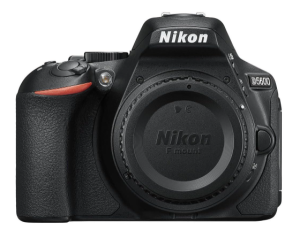
The Nikon D5600 24.2MP DSLR Digital Camera is an excellent beginner-friendly option for anyone ready to step up from smartphone photography into the world of true DSLR creativity. With a lightweight design, intuitive controls, and strong image quality, it’s a camera that makes learning feel exciting rather than overwhelming.
This bundle is especially appealing because it includes all the essentials to start shooting immediately, from storage and power accessories to cleaning tools and a protective gadget bag.
Image quality is a major strength of the D5600. It features a 24.2MP DX-format CMOS sensor paired with Nikon’s EXPEED 4 image processor, producing sharp photos with rich detail and natural color. Beginners will appreciate how well it performs in everyday situations, whether capturing portraits, landscapes, or travel memories.
The camera also supports a fast continuous shooting rate of 5 frames per second, which is helpful for photographing pets, sports, or spontaneous moments.
Ease of use is another reason the Nikon D5600 is considered one of the best DSLR cameras for beginners. The large 3.2-inch tilting touchscreen LCD monitor makes framing shots comfortable from different angles, and touch controls help simplify focusing and menu navigation. Video creators can also enjoy Full HD 1080p recording at up to 60 frames per second, offering smooth footage for casual vlogging or family videos.
Autofocus performance is strong for an entry-level DSLR. The Multi-CAM 4800DX 39-point AF system helps keep subjects sharp, while Dynamic-Area AF improves tracking for moving scenes. A native ISO range of 100–25600 gives flexibility in various lighting conditions, and the 2,016-pixel RGB sensor contributes to accurate exposure and color balance.
Connectivity is modern and beginner-friendly as well. With SnapBridge Bluetooth, NFC, and Wi-Fi, it’s easy to transfer photos to your phone, share them online, or control the camera remotely. The included bundle adds even more value, providing a SanDisk 64GB memory card, extra battery, USB card reader, screen protectors, cleaning kit, and a convenient carrying bag.
Pros
- High resolution 24.2MP sensor with EXPEED 4 processor for excellent image quality
- Beginner-friendly touchscreen with tilting display for easy framing
- Full HD 1080p video at 60 fps for smooth recording
- Reliable 39-point autofocus system for sharp results
- Built-in Bluetooth, NFC, and Wi-Fi for quick sharing and remote control
- Bundle includes useful starter accessories like memory card, battery, bag, and cleaning kit
Cons
- Body-only package means lenses must be purchased separately
Overall, the Nikon D5600 is one of the best DSLR cameras for beginners thanks to its balance of image quality, easy operation, solid autofocus, and a bundle that makes getting started simple and rewarding.
4) PENTAX KF APS-C Digital SLR Camera
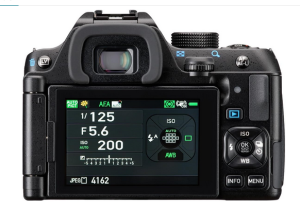
The PENTAX KF APS-C Digital SLR Camera is a fantastic choice for beginners who want a DSLR that feels durable, capable, and ready for real adventure. Unlike many entry-level cameras that are designed mainly for casual indoor use, the KF is built with outdoor creativity in mind, making it an excellent option for new photographers who love travel, hiking, and nature shooting.
Image quality is impressive thanks to its 24.24 effective megapixel AA-filter-less APS-C CMOS sensor. This design helps capture sharper detail and crisp textures, which is especially rewarding when photographing landscapes or wildlife. The wide ISO range from 100 to 102400 gives beginners plenty of flexibility, allowing them to shoot in bright daylight, cloudy conditions, or even low-light scenes without immediately needing extra equipment.
One of the biggest advantages of the PENTAX KF is its compact, dustproof, and weather-resistant body. It’s optimized for outdoor shooting and even offers cold-proof performance down to 14°F (-10°C). For beginners who want a camera that can handle unpredictable environments, this rugged build provides confidence and reliability beyond what most starter DSLRs offer.
The optical viewfinder adds to the traditional DSLR experience. With a glass pentaprism providing approximately 100% field-of-view and 0.95-times magnification, it delivers a large, clear view for composing shots and confirming focus quickly. This is especially helpful for learners who want to improve framing skills and enjoy shooting through a true viewfinder rather than relying only on the rear screen.
Another beginner-friendly feature is the in-body SR (Shake Reduction) mechanism. With a compensation effect of 4.5 shutter steps, it helps reduce blur from camera shake and works with all PENTAX interchangeable lenses. This makes handheld shooting easier, especially in low light or when using longer lenses.
The camera also offers exciting creative potential with optional support for the O-GPS2 GPS unit, which enables automatic tracking of celestial bodies for astrophotography without requiring an equatorial mount.
The package includes essential accessories such as a USB cable, lithium-ion battery, charger, strap, software, AC plug, USB power adapter, eyecup, hot shoe cover, and body mount cover, giving beginners everything needed to start shooting right away.
Pros
- High resolution 24.24MP AA-filter-less sensor for sharp and detailed images
- Extremely wide ISO range up to 102400 for flexible shooting in low light
- Dustproof, weather-resistant, and cold-proof design ideal for outdoor beginners
- Large optical viewfinder with nearly full field-of-view for easy composition
- In-body shake reduction works with all PENTAX interchangeable lenses
- Optional GPS support allows creative astrophotography tracking
Cons
- Optional GPS unit is required for celestial tracking features
Overall, the PENTAX KF is one of the best DSLR cameras for beginners who want a tough, high-quality camera that encourages exploration and outdoor creativity. It combines excellent image performance with durability and stabilization features that make learning photography both enjoyable and rewarding.
5)Nikon D3200 24.2 MP CMOS Digital SLR
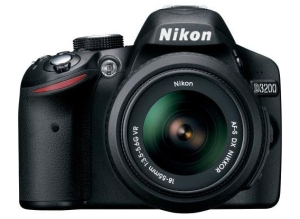
The Nikon D3200 24.2 MP CMOS Digital SLR is an excellent entry-level DSLR for beginners who want to take their first serious step into photography. With a combination of high-resolution image quality, simple controls, and helpful learning features, it remains a popular choice for new photographers looking to grow their skills without feeling overwhelmed.
Image quality is one of the strongest reasons the D3200 stands out for beginners. It features a 24.2 megapixel CMOS sensor that captures sharp, detailed photos with rich color and clarity. Whether you’re photographing family moments, travel scenes, or portraits, the resolution provides plenty of room for cropping and printing.
Paired with Nikon’s EXPEED 3 image processor, the camera delivers fast performance and supports fun in-camera effects that allow beginners to experiment creatively.
The Nikon D3200 is also a great starter option for video. It records Full HD 1080p video and includes autofocus during recording along with stereo sound, making it a solid choice for casual video projects, school content, or everyday clips. The 3.0-inch LCD screen with 921k-dot resolution makes framing shots easy and provides a clear display for reviewing your photos and videos.
One of the most beginner-friendly features is Nikon’s Guide Mode. This built-in learning tool walks users through settings and shooting situations step by step, helping new photographers understand how different modes work. Combined with intuitive controls, the D3200 makes it easy to move from automatic shooting into more advanced manual techniques over time.
Autofocus performance is reliable for everyday photography, thanks to an 11-point autofocus system that helps keep subjects sharp. Optical image stabilization further supports beginners by reducing blur from camera shake, especially when shooting handheld or in lower light. For sharing photos, the camera is Wi-Fi compatible through an optional adapter, allowing users to transfer images more conveniently.
Pros
- High resolution 24.2MP sensor for sharp, detailed photos
- EXPEED 3 processor delivers quick performance and creative effects
- Full HD 1080p video with autofocus and stereo sound
- Clear 3.0-inch LCD screen for framing and playback
- Guide Mode is extremely helpful for learning photography basics
- Reliable 11-point autofocus system with image stabilization support
- Optional Wi-Fi adapter allows easier photo sharing
Cons
- Wi-Fi requires an optional adapter rather than being built in
Overall, the Nikon D3200 is one of the best DSLR cameras for beginners thanks to its strong image quality, approachable learning tools, and solid video capabilities. It’s a camera that helps new photographers build confidence while delivering results that look far beyond beginner level.
6) Canon EOS 850D (Rebel T8i) DSLR Camera

The Canon EOS 850D (Rebel T8i) DSLR Camera is one of the best DSLR choices for beginners who want a camera that feels easy to learn but powerful enough to grow with. This bundle makes it even more appealing because it comes packed with useful accessories that help new photographers start shooting immediately. From extra lenses and filters to tripods, flash, memory cards, and a deluxe camera bag, it’s a complete setup designed for creativity right out of the box.
The EOS 850D delivers excellent image quality with its 24.1MP APS-C CMOS sensor and DIGIC 8 image processor. Photos come out beautifully detailed with strong color and clarity, making it perfect for portraits, travel, family moments, and everyday photography. Beginners will appreciate that the camera offers both automatic ease and the ability to explore manual creative control as skills improve.
Video performance is another strong reason this camera is beginner-friendly. It supports UHD 4K recording at 24 frames per second along with vertical video support, which is great for social media creators. Dual Pixel CMOS autofocus with Eye Detection keeps subjects sharp during video and Live View shooting, helping beginners capture professional-looking footage without complicated focusing adjustments.
Autofocus is a major strength of the Rebel T8i. With a refined 45-point all cross-type phase-detect AF system, plus face detection and advanced tracking, the camera performs well even with moving subjects. Continuous shooting up to 7 frames per second ensures you can capture action moments confidently, whether photographing kids, pets, sports, or events.
The vari-angle touchscreen adds a lot of flexibility for beginners. It makes framing shots from different angles easy, and touch controls simplify navigating menus and selecting focus points. Built-in Wi-Fi and Bluetooth also make sharing images, transferring files, or using a smartphone for remote control quick and convenient.
The included Canon EF-S 18–55mm f/4–5.6 IS STM lens is compact, lightweight, and quieter than older versions. Its near-silent autofocus and improved image stabilization help beginners achieve sharper results with less blur, even when shooting handheld or in low light.
Pros
- High quality 24.1MP sensor with DIGIC 8 processor for detailed photos
- UHD 4K video and vertical video support for modern content creation
- Dual Pixel CMOS AF with Eye Detection makes focusing easy for beginners
- 45-point all cross-type autofocus system with strong subject tracking
- Vari-angle touchscreen is great for flexible shooting and vlogging
- Built-in Wi-Fi and Bluetooth for easy sharing and remote control
- Bundle includes lenses, filters, flash, tripods, bag, and accessories for a complete starter kit
Cons
- 4K video is limited to 24 fps rather than higher frame rates
Overall, the Canon EOS 850D (Rebel T8i) is one of the best DSLR cameras for beginners because it combines ease of use, excellent autofocus, strong photo and video quality, and a bundle that provides everything needed to begin a creative photography journey with confidence.
7) Nikon D3500 24.2MP DSLR Camera

The Nikon D3500 24.2MP DSLR Camera is one of the best DSLR cameras for beginners because it keeps photography simple, affordable, and genuinely fun to learn. It’s a lightweight, user-friendly camera that delivers excellent image quality without overwhelming new users with complicated controls. For anyone upgrading from a smartphone or starting their first DSLR journey, the D3500 is an easy recommendation.
This camera features a 24.2MP DX-format CMOS sensor with no optical low-pass filter, which means it captures sharp, detailed photos with impressive clarity. Whether you’re taking portraits, landscapes, or everyday snapshots, the image results feel professional right from the start. The native ISO range of 100–25600 also gives beginners flexibility for shooting in different lighting conditions, from bright outdoor scenes to dim indoor settings.
The included AF-P DX NIKKOR 18–55mm f/3.5–5.6G VR lens makes this kit even more beginner-friendly. It’s a versatile everyday zoom lens that works well for a wide variety of subjects, and the built-in vibration reduction helps reduce blur from handheld shooting. This is especially helpful when you’re still learning how to keep shots steady.
Performance is smooth and responsive, with continuous shooting up to 5 frames per second, which is great for capturing kids, pets, travel moments, or casual action. The 3.0-inch LCD monitor with 921k-dot resolution provides a clear view for framing and reviewing images, making it easy to learn composition and adjust settings.
This package also includes all original accessories plus a 90-day warranty, offering peace of mind for beginners purchasing a refurbished model. Inside the box, you get the camera body, rechargeable battery, quick charger, strap, body cap, eyecup, lens caps, and the kit lens, giving you everything needed to start shooting right away.
Pros
- High resolution 24.2MP sensor produces sharp, detailed images
- No optical low-pass filter for extra clarity
- Wide ISO range up to 25600 for flexible low-light shooting
- Lightweight and beginner-friendly DSLR design
- Included 18–55mm VR lens is versatile and helps reduce blur
- 5 fps shooting is useful for capturing action moments
- Comes with all original accessories and a 90-day warranty
Cons
- LCD screen is fixed, limiting flexibility for vlogging or selfies
Overall, the Nikon D3500 is one of the best DSLR cameras for beginners because it delivers strong photo quality, simple operation, and an excellent starter lens in a complete package. It’s a reliable choice for learning photography and capturing beautiful images from day one.
Next read:5 Best DSLR Cameras for Live Streaming
Factors to Consider when Choosing the Best DSLR Camera for A Beginner
Choosing the best DSLR camera as a beginner can feel overwhelming, but focusing on the right factors makes the decision much easier. Based on the features and benefits discussed above, here are eight important factors beginners should consider, explained in clear detail.
1.Image quality and sensor resolution.
A beginner DSLR should have a large sensor that captures sharp details, accurate colors, and strong dynamic range. Higher megapixels can be helpful for printing or cropping images, but overall sensor performance matters most because it affects how professional your photos will look in everyday shooting situations.
2.Ease of use and beginner-friendly controls.
A good starter DSLR should offer intuitive menus, helpful guides, and automatic modes that make learning photography less intimidating. Features that explain settings or provide step-by-step shooting assistance allow beginners to grow their skills gradually without feeling overwhelmed by technical complexity.
3.Lens flexibility
One of the biggest advantages of DSLR cameras is the ability to change lenses. Beginners should think about whether the camera system offers affordable lens options for portraits, landscapes, zoom photography, or future upgrades. Starting with a versatile kit lens is helpful, but long-term creative growth depends on lens availability.
4.Autofocus performance
A camera with reliable autofocus points and subject tracking helps ensure that photos stay sharp, especially when capturing people, pets, or moving scenes. Face and eye detection features can also make portrait photography easier for beginners who are still learning focusing techniques.
5.Video capabilities
Many new photographers also want to record content for social media, school projects, or casual vlogging. Choosing a DSLR that offers smooth Full HD or 4K recording, along with good autofocus during video, provides more versatility and makes the camera useful beyond still photography.
6.Screen design and usability
A clear LCD screen helps with framing, reviewing images, and adjusting settings. Beginners may benefit from a touchscreen or a vari-angle display, which makes shooting from different angles easier and supports selfies or video recording without needing extra equipment.
7.Connectivity features
Built-in Wi-Fi, Bluetooth, or NFC makes it easy to transfer photos to a smartphone, share online, or control the camera remotely. These features help beginners stay connected and simplify the process of posting and backing up content.
8.Bundle value and included accessories
Many beginner DSLR kits come with memory cards, tripods, extra lenses, camera bags, and cleaning tools. Choosing a package that includes essential gear can save money and ensure beginners have everything they need to start shooting immediately.
By focusing on these eight factors, beginners can confidently choose a DSLR camera that fits their learning style, creative goals, and future growth. If you’d like, I can also help you turn these factors into a buying guide or comparison section for an article.
Advantages of using a DSLR Camera As a Beginner
Using a DSLR can feel like unlocking a whole new level of photography and video. Based on everything we discussed with the beginner-friendly Canon, Nikon, and Pentax models, here are the biggest advantages of choosing a DSLR as a beginner, explained clearly and in detail.
1.Excellent image quality
Cameras like the Canon Rebel series and Nikon D3500 come with large APS-C sensors that capture sharper photos, richer colors, and better detail than smartphones or basic compact cameras. This helps beginners see an immediate improvement in their results, making photography more rewarding and motivating from the very beginning.
2.Learn photography fundamentals more easily
Many beginner DSLR models include helpful modes like Nikon’s Guide Mode or Canon’s Creative Auto features, which explain settings in a simple way. This makes it easier to understand how shutter speed, aperture, and ISO affect your photos, allowing beginners to grow their skills step by step instead of relying only on automatic shooting.
3.Interchangeable lenses
This gives beginners more creative freedom. Starter kits often include an 18–55mm lens, but you can later add wide-angle lenses for landscapes, telephoto lenses for wildlife, or prime lenses for portraits. This flexibility helps beginners explore different photography styles without needing to buy an entirely new camera.
4.Strong autofocus and subject tracking
Even entry-level DSLRs like the Canon EOS 850D or Nikon D5600 provide reliable autofocus systems that keep subjects sharp, whether you’re photographing people, pets, or moving action. This helps beginners capture clear photos more consistently, especially when learning how to focus properly.
5. Great for video and content creation
Many beginner models now support Full HD or even 4K recording, along with features like Dual Pixel autofocus and vari-angle touchscreens. This makes them useful not only for photography but also for vlogging, school projects, or social media videos, giving beginners more ways to create.
6.The optical viewfinder experience
Unlike phones or mirrorless cameras that rely mostly on digital displays, DSLRs allow you to look directly through the lens with a real optical viewfinder. This helps beginners improve framing, focus awareness, and shooting confidence, especially in bright outdoor conditions.
7.Comfortable handling and long battery life
Their larger grip and button layout make them easier to hold steady and operate compared to smaller devices. Beginners often find DSLRs more enjoyable for longer shooting sessions, especially when traveling or learning outdoors.
8.DSLR bundles provide excellent value
Many of the cameras we discussed come with memory cards, tripods, extra lenses, cleaning kits, and camera bags. This makes it easy for beginners to start immediately without worrying about buying extra gear, creating a complete learning setup right out of the box.
Overall, DSLR cameras are a fantastic starting point because they combine high quality, learning support, creative flexibility, and long-term growth potential. If you want, I can also recommend which DSLR from the ones above is the best choice depending on whether you prefer photography, video, travel, or live streaming.
Best DSLR Camera for Beginners FAQs
1.What makes these three DSLR cameras ideal for beginners?
These beginner DSLR options are considered the best because they combine easy-to-use controls, strong image quality, reliable autofocus, and helpful learning features. They allow new photographers to start with automatic modes while also offering room to grow into manual photography and creative shooting over time.
2.Do these beginner DSLR cameras come with everything needed to start?
Yes, most beginner-friendly DSLR packages include essential accessories such as a kit lens, battery, charger, straps, and sometimes extra items like memory cards, tripods, camera bags, and cleaning kits. This makes it easier for beginners to begin shooting immediately without needing extra purchases.
3.Are these cameras good for both photography and video?
These DSLR cameras are great for photography and also support video recording in Full HD or even 4K in some cases. Beginners who want to capture both sharp photos and high-quality videos for social media, travel, or personal projects will find them versatile and capable.
4.How important is autofocus for a beginner DSLR camera?
Autofocus is very important because beginners often struggle with keeping subjects sharp, especially when photographing people, pets, or action. These cameras offer reliable autofocus systems that help ensure clear results even when the subject is moving or when shooting in Live View mode.
5.Can beginners upgrade lenses later with these DSLR cameras?
Yes, one of the biggest advantages of choosing a DSLR is the ability to change lenses. Beginners can start with the included kit lens and later add wide-angle, telephoto, or portrait lenses depending on their interests. This makes these cameras long-term investments rather than short-term starter devices.
6.Are DSLR cameras still worth it for beginners today?
Yes, DSLR cameras remain a great option for beginners because they offer excellent battery life, comfortable handling, optical viewfinders, and affordable lens ecosystems. They are especially valuable for learners who want a traditional photography experience and strong image quality at a reasonable cost.
7.Which beginner DSLR camera is best for learning photography basics?
The best beginner DSLR for learning is one that includes guided shooting modes, intuitive menus, and simple controls. Cameras designed for first-time users help explain settings like shutter speed, aperture, and ISO, making it easier to build confidence while improving skills.
8.What should a beginner consider before choosing one of these cameras?
Beginners should consider image quality, ease of use, lens options, autofocus performance, video features, screen flexibility, connectivity, and overall bundle value. Choosing the right DSLR depends on whether the beginner is more interested in photography, video, travel, or everyday family moments.
Conclusion
Choosing the best DSLR camera as a beginner is all about finding a balance between ease of use, strong image quality, and room to grow creatively.
The cameras discussed above are excellent options because they offer beginner-friendly controls, reliable autofocus, impressive photo and video performance, and valuable features like guided modes, wireless connectivity, and flexible shooting tools.
Many also come in complete bundles with essential accessories, making it easier to start right away without extra stress or cost. Overall, these DSLR cameras are great for beginners because they help new photographers learn the basics confidently while delivering professional-looking results that inspire long-term creativity and improvement.