When it comes to creating a professional live streaming setup, I’ve found that the best DSLR cameras for live streaming can make a huge difference in overall video quality and viewer experience.
These cameras are great for live streaming because they offer sharp high-resolution footage, reliable autofocus, clean HDMI output, and excellent performance even in low-light environments. They also give creators more control over framing and visual style compared to standard webcams.
In this guide, I’ll cover the key features that matter most for streaming, highlight some of the top DSLR options available, share important buying factors to consider, and answer common FAQs to help you choose the right camera for your needs.
Best DSLR Camera for Live Streaming
1) Canon EOS Rebel T7 DSLR Camera
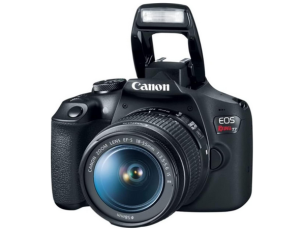
The Canon EOS Rebel T7 DSLR Camera is a great entry-level choice for creators who want to upgrade their live streaming setup without spending a fortune. With its simple controls, reliable performance, and impressive image quality, it has become a popular option for beginners streaming church services, online classes, casual video chats, or starter content creation.
The Rebel T7 features a 24.1 MP CMOS sensor with an ISO range of 100–6400 (expandable to 12800), allowing it to capture detailed, vibrant images even in challenging lighting conditions. This sensor performance translates nicely into live streaming environments where indoor lighting may not always be perfect. The camera also supports Full HD 1080p video recording at 30fps, which is more than enough for basic streaming needs.
Another useful advantage is its built-in Wi-Fi and NFC connectivity, making it easy to share content quickly or control the camera remotely using a smartphone. The lightweight body, weighing just 1.04 lbs, makes it convenient for tripod setups, and the 3-inch LCD screen helps with framing and adjustments. It is also compatible with Canon’s wide range of EF and EF-S lenses, giving streamers room to grow creatively beyond the included 18–55mm kit lens.
For focusing, the Rebel T7 includes a 9-point autofocus system with AI Servo AF, which can handle moving subjects reasonably well. Manual controls for aperture, shutter speed, and ISO provide flexibility for users who want more control over their streaming look, along with creative shooting modes like portrait, landscape, and night portrait.
That said, the Canon EOS Rebel T7 works best for basic live streaming setups rather than professional studio rigs. One limitation is the lack of clean HDMI output, which many advanced streamers require for a polished feed through capture cards. Some users also note that autofocus during video recording may not always be perfectly smooth.
Pros
- Excellent 24.1 MP sensor with strong image detail
- Full HD 1080p video is suitable for casual live streaming
- Built-in Wi-Fi and NFC for easy sharing and remote control
- Lightweight and beginner-friendly design
- Access to a huge range of Canon EF/EF-S lenses
- Solid battery life of around 500 shots per charge
Cons
- No clean HDMI output for professional streaming setups
Overall, the Canon EOS Rebel T7 is a dependable and affordable DSLR for anyone starting out in live streaming, offering strong image quality, simple operation, and flexibility through interchangeable lenses, while remaining best suited for entry-level streaming rather than high-end production environments.
2) Sony ZV-1 Digital Camera
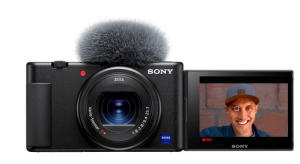
The Sony ZV-1 Digital Camera is one of the best choices for live streaming creators who want professional-looking video in a compact and easy-to-use package. While it is not a traditional DSLR, it delivers the kind of high-quality results that streamers often look for when upgrading beyond webcams. Its balance of portability, sharp video, and creator-focused features makes it a favorite for content creators, vloggers, and live broadcasters.
The camera features a 20.1MP stacked back-illuminated 1-inch Exmor RS CMOS sensor with DRAM, paired with a bright 24–70mm F1.8–2.8 ZEISS Vario-Sonnar T lens. This combination produces crisp detail, excellent low-light performance, and beautifully blurred backgrounds, giving live streams a polished and cinematic feel. The wide aperture also helps streamers stand out clearly from their surroundings, even in indoor setups.
Autofocus is another major strength of the Sony ZV-1. With Fast Hybrid Autofocus, Real-Time Eye Autofocus, and advanced tracking, the camera keeps faces sharp and in focus even when moving. Features like the Product Showcase Setting allow smooth focus shifts between your face and objects, which is especially useful for live product demos or tutorials. The camera also includes an easy way to switch between background blur modes, giving creators quick control over their look.
The ZV-1 is designed with streamers in mind, featuring a side flip-out 3-inch LCD screen that tilts for simple framing during selfie-style streams. Automatic exposure tracking ensures faces stay well-lit, reducing the need for constant manual adjustments. The camera also offers enhanced skin-tone reproduction, delivering natural and flattering color straight out of the box.
Audio is equally impressive for live streaming. The built-in forward-directional microphone captures clear voice sound, and the included detachable windscreen helps reduce outdoor noise. For creators who want even better audio, the 3.5mm mic jack and MI shoe provide expanded options for external microphones. Image stabilization further improves quality by reducing shake, even when walking or streaming on the go.
For advanced users, the Sony ZV-1 includes professional video features such as HLG and S-Log3/2, offering greater flexibility for color grading and high dynamic range video workflows.
Pros
- Excellent 20.1MP 1-inch sensor with strong video quality
- Bright ZEISS 24–70mm F1.8–2.8 lens for low light and background blur
- Fast Hybrid Autofocus with Real-Time Eye Tracking
- Product Showcase mode ideal for demonstrations and reviews
- Flip-out screen makes framing easy for solo streamers
- Strong built-in microphone with windscreen plus mic input support
- Effective image stabilization for handheld streaming
- Professional video profiles including HLG and S-Log
Cons
- Not a true DSLR despite being used as a high-end streaming camera
Overall, the Sony ZV-1 is an outstanding live streaming camera for creators who want sharp video, reliable autofocus, excellent audio support, and a streamer-friendly design. It delivers professional results with minimal setup, making it one of the top choices for anyone serious about upgrading their live streaming quality.
3) Canon DSLR Camera [EOS 90D]
![Canon DSLR Camera [EOS 90D]](https://gadgetgearguide.com/wp-content/uploads/2026/02/1-2-300x238.png)
The Canon EOS 90D is a powerful DSLR camera that has become a popular choice for creators looking to elevate their live streaming setup. With strong video capabilities combined with reliable autofocus and an intuitive design, it delivers quality and performance that suit live broadcasts, interviews, gaming streams, and more. Its feature set reflects Canon’s continued focus on versatility for both video and photo creators.
Video quality from the EOS 90D is excellent. It can record 4K UHD video at 30 frames per second, providing detailed and crisp footage that looks professional on modern streaming platforms. For slow motion and more dynamic footage, it also supports Full HD recording at 120 frames per second. The ability to output clean HDMI makes it easy to connect directly to capture cards and streaming devices without overlays or menus, giving your live feed a polished look.
Autofocus performance is strong with a 45-point all cross-type system that includes face detection. This keeps your subject in focus even if you move around during a stream or presentation. The vari-angle touchscreen LCD enhances usability by allowing flexible framing from different angles, which is particularly useful when streaming from a desk, a standing setup, or creative viewpoints. The touchscreen also simplifies menu navigation and focus point selection.
With a 32.5 megapixel APS-C sensor, the EOS 90D captures excellent detail and color, delivering high resolution that benefits both stills and video. Wireless connectivity through built-in Wi-Fi and Bluetooth makes it easy to control the camera remotely and transfer files without cables. The camera’s 10 frames per second continuous shooting may appeal to hybrid creators who want strong performance for action photography as well as streaming.
Pros
- 4K UHD video at 30 frames per second and Full HD at 120 frames per second for versatile streaming quality
- Clean HDMI output for direct connection to streaming hardware
- 45-point autofocus with face detection for sharp and reliable focus
- Vari-angle touchscreen LCD for flexible framing and ease of use
- Built-in Wi-Fi and Bluetooth for wireless control and file transfer
- High resolution 32.5 megapixel APS-C sensor for excellent image quality
- 10 frames per second continuous shooting for fast action capture
Cons
- 4K video at 30 fps may feel limiting for creators wanting higher frame rates in 4K
Overall, the Canon EOS 90D stands out as one of the best DSLR cameras for live streaming thanks to its robust video features, dependable autofocus, and ease of use. Whether you are a seasoned creator or just building a streaming setup, it offers the tools needed for high quality live content.
4) IWOBAC 8K 64MP Digital Camera
The 8K 64MP Digital Camera is an exciting option for creators who want a high-resolution camera experience for live streaming without stepping into the expensive world of traditional professional DSLR systems. Designed with a balance of advanced performance and beginner-friendly operation, this camera is a strong choice for streamers, vloggers, and content creators looking for sharp video quality and versatile features.
With its high-performance CMOS sensor, this camera captures stunning 64MP photos and supports ultra-clear video recording up to 8K resolution. For users who prefer smoother motion, it also offers 5K at 30fps and 4K at 60fps, giving flexibility depending on the streaming style or recording needs. Whether you are filming daily content, broadcasting live, or creating travel videos, the image clarity helps deliver a professional-looking result.
The camera also includes a smooth 16x digital zoom, making it useful for a wide range of shooting situations, from close-up product demos to outdoor photography. A convenient 2.8-inch flip LCD screen with 180° rotation allows real-time framing, which is especially helpful for solo streamers and vloggers. Anti-shake technology further improves stability, reducing unwanted motion and keeping footage cleaner during handheld use.
Creative flexibility is another strong point. Multiple shooting modes such as time-lapse, continuous shooting, and slow-motion video allow users to explore different styles of content creation. The addition of a hot shoe mount expands the setup even further, supporting external accessories like flashes or other professional equipment, which can improve both lighting and overall production quality.
For long streaming sessions or travel use, the camera kit comes with practical extras. It includes two high-capacity 2000mAh batteries and a 64GB memory card, ensuring extended shooting time and plenty of storage right out of the box. This makes it a reliable companion for creators who want to film or stream throughout the day without constantly worrying about running out of power or space.
Connectivity is also well-suited for live streaming. With Wi-Fi and USB data transfer, sharing content is quick and convenient. The micro HDMI interface allows the camera to function as a high-quality webcam source, making it a great option for streamers, online educators, and studios who want upgraded video quality for live broadcasts.
Pros
- Supports ultra-high-resolution 8K video and 64MP photo capture
- Offers multiple recording options including 5K and 4K at 60fps
- 16x digital zoom adds flexibility for different shooting needs
- Flip screen design makes vlogging and self-framing easy
- Anti-shake technology improves stability during handheld use
- Includes creative modes like time-lapse and slow motion
- Hot shoe support allows use of external accessories
- Comes with two batteries and a 64GB card for extended sessions
- Micro HDMI connection enables live streaming and webcam use
Cons
- Digital zoom is not as strong as optical zoom for professional detail
Overall, the 8K 64MP Digital Camera is a feature-packed choice for live streaming and content creation, offering impressive resolution, flexible shooting modes, strong connectivity, and a creator-friendly design. It is especially appealing for users who want sharp, modern video quality with an all-in-one kit that is ready for streaming right away.
5) Canon PowerShot V1, Hybrid Camera
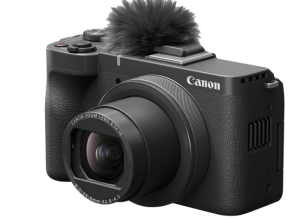
The Canon PowerShot V1 Hybrid Camera is an excellent choice for creators who want a dependable, high-quality DSLR-style option for live streaming and content production. Designed with modern video needs in mind, it delivers impressive clarity, smooth performance, and flexibility in a compact hybrid build that works perfectly for both beginners and experienced streamers.
It comes equipped with a built-in 16–50mm F2.8–4.5 ultra-wide-angle zoom lens (35mm equivalent), making it ideal for streaming setups where you need to capture more of the background or fit multiple subjects into the frame. Whether you’re recording at a desk or filming on the go, the lens range provides great versatility without needing extra accessories.
Image quality is powered by a large 1.4-type 22.3MP sensor, with 18.7MP optimized for video. This ensures sharp detail, strong low-light performance, and a professional look that stands out during live broadcasts. For video creators, the Canon PowerShot V1 supports 4K recording at 60fps with 10-bit color depth and Canon Log 3, giving users more control over color grading and a richer cinematic finish.
Streaming sessions are made even more reliable thanks to an active cooling fan that supports extended 4K60P recording without overheating. The hybrid autofocus system with 100 autofocus points keeps subjects sharp and in focus, even with movement, making it perfect for live presentations, gaming streams, or product demos.
The camera also includes a bright 3-inch LCD screen with 1,040,000 dots, helping you frame shots clearly and monitor recordings with ease. Built-in Wi-Fi and Bluetooth connectivity make it simple to connect to devices, transfer files, or integrate into a streaming workflow.
Pros
- Excellent 4K 60fps video with 10-bit Canon Log 3 support
- Ultra-wide built-in zoom lens ideal for streaming setups
- Active cooling fan allows longer recording sessions
- Fast and accurate autofocus with 100 focus points
- Strong connectivity options with Wi-Fi and Bluetooth
Cons
- Lens is fixed, so no option to swap for other focal lengths
Overall, the Canon PowerShot V1 Hybrid Camera is a strong contender among the best DSLR-style cameras for live streaming, offering high-end video features, reliable performance, and creator-friendly tools in one streamlined package.
Factors to Consider when Choosing the Best DSLR Camera for Live Streaming
Choosing the best DSLR camera for live streaming comes down to more than just picking a popular model. The right camera should match your streaming style, technical needs, and long-term content goals. Here are eight important factors to consider when making your decision.
1. Video Resolution and Frame Rate
A key factor is how well the camera handles video quality. Higher resolutions like 4K deliver sharper and more professional-looking streams, while frame rate options such as 30fps or 60fps affect how smooth motion appears. If your content includes movement, demonstrations, or fast-paced action, higher frame rates can make your stream look much more fluid.
2. Clean HDMI Output Support
For live streaming, clean HDMI output is essential. This allows the camera to send video to a capture card or streaming device without distracting overlays such as focus boxes, battery icons, or menus. A clean feed creates a polished and professional appearance, especially for creators who want a broadcast-ready setup.
3. Autofocus Performance and Face Tracking
Reliable autofocus is extremely important during live streams, especially when you move around or change positions. Cameras with advanced autofocus systems and face detection help keep your subject sharp and clear without manual adjustments. This is especially helpful for solo streamers who cannot constantly monitor focus while presenting.
4. Sensor Size and Image Quality
The camera’s sensor plays a major role in overall image quality. Larger sensors generally provide better detail, improved low-light performance, and a more cinematic background blur. A strong sensor ensures your stream looks clean and vibrant even in indoor lighting conditions.
5. Lens Flexibility and Field of View
The type of lens or lens range affects how much of the scene you can capture. A wider field of view is useful for streaming in small spaces or showing more of your environment. Zoom flexibility can also help you adjust framing without moving the camera, giving more control over how your stream looks.
6. Recording Time and Heat Management
Streaming sessions often last a long time, so it’s important to consider whether the camera can run continuously without overheating or stopping unexpectedly. Features like internal cooling or efficient heat control help support extended use, making the camera more dependable for long broadcasts.
7. Screen Design and Ease of Framing
A movable or vari-angle LCD screen can greatly improve usability during live streaming. It allows you to check your framing from different angles and ensures you stay properly positioned on camera. Touchscreen controls also make it easier to adjust settings quickly without interrupting your workflow.
8. Connectivity and Streaming Integration
Modern streaming setups benefit from strong connectivity options. Built-in Wi-Fi and Bluetooth allow for wireless control, quick file transfers, and smoother integration with mobile apps or remote setups. Good connectivity can simplify your streaming process and reduce the need for extra accessories.
By focusing on these eight factors, you can choose a DSLR camera that fits your streaming needs, delivers high-quality video, and supports a smooth, professional live streaming experience.
Advantages of using a DSLR Camera for Live Streaming
Using a DSLR camera for live streaming can significantly improve the quality and professionalism of your content. Compared to standard webcams or basic cameras, DSLRs offer advanced features that are designed for high-end imaging and video performance. Here are five key advantages of using a DSLR camera for live streaming.
1. Superior Video and Image Quality
One of the biggest advantages of using a DSLR for live streaming is the noticeably higher image quality. DSLRs are built with larger sensors that capture more detail, richer colors, and better contrast than typical webcams. This results in a sharper, more professional-looking stream that helps creators stand out, especially on platforms where visual quality matters.
2. Better Low-Light Performance
DSLR cameras perform exceptionally well in low-light environments. Whether you’re streaming indoors, at night, or in a room without studio lighting, a DSLR can maintain clarity with less noise and grain. This makes your stream look cleaner and more polished even without expensive lighting equipment.
3. Advanced Autofocus and Subject Tracking
DSLRs often include fast and accurate autofocus systems, many with face detection and subject tracking. This ensures you stay in focus while moving naturally during your stream. For content creators who present, teach, or demonstrate products live, this reliability reduces distractions and keeps viewers engaged.
4. Lens Versatility and Creative Control
Another major advantage is the ability to use different lenses or zoom ranges to control framing and style. DSLRs allow creators to achieve wide shots for full setups or tighter framing for close-up content. They also offer beautiful background blur, giving streams a cinematic look that enhances production value.
5. Professional Streaming Features and Connectivity
Many DSLR cameras support clean HDMI output, making it easy to connect directly to capture cards and streaming devices for a clean, overlay-free video feed. They also often include wireless connectivity options, allowing remote control and smoother integration into modern streaming workflows. These features make DSLRs a strong long-term investment for serious streamers.
Overall, using a DSLR camera for live streaming offers major benefits in quality, performance, and creative flexibility, helping creators deliver a more professional and engaging viewing experience.
Best DSLR Camera for Live Streaming FAQs
1. What features should I look for in a DSLR camera for live streaming?
When choosing a DSLR for live streaming, focus on features that directly improve video performance and usability. Important factors include strong video resolution such as 4K, clean HDMI output for a professional feed, reliable autofocus with face tracking, good low-light performance, and flexible screen design for easy framing. Connectivity options like Wi-Fi or Bluetooth can also make streaming setups more convenient.
2. Why is clean HDMI output important for live streaming?
Clean HDMI output allows the camera to send a video signal without any on-screen distractions such as menus, focus boxes, or battery icons. This creates a polished and professional stream when connected to a capture card or streaming device. Without clean HDMI, your live video may appear cluttered and less suitable for high-quality broadcasts.
3. Are DSLR cameras better than webcams for live streaming?
In most cases, DSLR cameras provide a major upgrade over webcams. They offer superior image quality, better performance in low light, advanced autofocus systems, and more creative control through lens options. While webcams are simple and affordable, DSLRs are ideal for creators who want a more professional and cinematic look for their live streams.
The best DSLR cameras for live streaming are an excellent choice for creators who want to deliver professional-quality content with clarity, reliability, and creative flexibility.
With features like high-resolution video recording, clean HDMI output, advanced autofocus with face tracking, strong low-light performance, and user-friendly screens for easy framing, these cameras are built to handle the demands of modern live broadcasting.
Their superior image quality and versatile connectivity options make them ideal for streamers, educators, and content creators who want a polished, engaging, and long-lasting streaming setup.


