
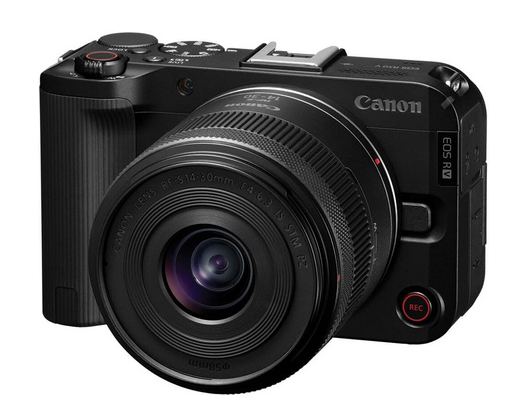
When it comes to the best cameras with a flip screen, I see them as some of the most versatile and creator-friendly tools available today. These cameras are great because they make it easy to shoot from almost any angle, whether you’re filming yourself for vlogs, capturing travel memories, taking group photos, or experimenting with creative perspectives.
A flip screen adds comfort, flexibility, and confidence, especially for solo creators and beginners who want better control over framing and focus. In this guide, I’ll walk through the key features that matter most, highlight some of the top picks worth considering, share a helpful buying guide to make choosing easier, and finish with FAQs to answer common questions before you invest in the right camera.
Best Cameras with Flip Screen
1) Canon EOS R50 V Mirrorless Camera
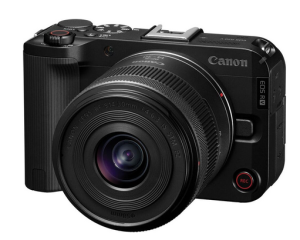
The Canon EOS R50 V Mirrorless Camera easily earns a spot among the best cameras with a flip screen, especially for creators who want a compact setup without giving up serious performance. It combines portability with impressive image quality, making it a strong choice for travel, everyday photography, and content creation.
This camera features a 24.2MP APS-C CMOS sensor paired with the DIGIC X processor, delivering sharp, vibrant photos and crisp 4K uncropped video. Autofocus performance is fast and reliable thanks to Dual Pixel CMOS AF, with accurate eye tracking and subject detection that works smoothly for both photos and video. Whether you’re filming action, capturing portraits, or shooting on the move, it keeps focus locked where it should be.
The included Canon RF-S 14-30mm f/4-6.3 IS STM lens adds excellent versatility. Its wide-angle range is perfect for vlogging, landscapes, group shots, and architecture. Built-in image stabilization helps produce steadier footage, while the quiet STM autofocus makes it great for recording video without distracting lens noise. The compact design also keeps the whole kit lightweight and travel-friendly.
For vloggers and social media creators, the fully articulating flip screen is a major advantage. It supports front-facing recording, high-angle shots, and low-angle creativity with ease. Video options include 4K at 30p and Full HD at 120p for smooth slow-motion clips. Vertical video support and USB-C livestream connectivity make it especially appealing for modern content workflows.
The EOS R50 V is also beginner-friendly, offering Creative Assist and Scene Intelligent Auto modes that help users get professional-looking results without complicated settings. It’s an excellent upgrade for anyone moving beyond smartphone photography into a true mirrorless system.
The kit is well-equipped right out of the box, including the camera body, RF-S 14-30mm lens, battery and charger, neck strap, lens caps, shoulder bag, and a 64GB memory card.
Pros
- Lightweight and portable mirrorless design
- High-resolution 24.2MP sensor with excellent image quality
- 4K uncropped video with strong autofocus tracking
- Fully articulating flip screen ideal for vlogging and selfies
- Versatile wide-angle lens with stabilization and quiet focusing
- Beginner-friendly shooting modes with creative support
- Includes useful accessories like bag and memory card
Cons
- Lens aperture range may be limiting in very low light
Overall, the Canon EOS R50 V is a fantastic flip-screen camera for creators, vloggers, and anyone wanting a powerful yet approachable mirrorless option in a compact package.
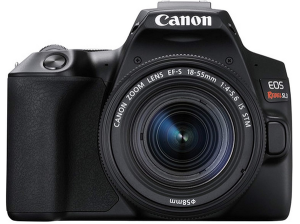
2) Canon EOS Rebel SL3 DSLR Camera
4) Sony Alpha ZV-E10 – APS-C

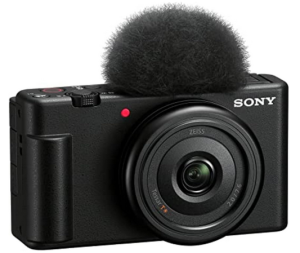
The Sony Alpha ZV-E10 is a versatile camera that earns its place among the best cameras with a flip screen, especially for vloggers, content creators, and hybrid shooters who want high image quality and flexible video features. With a large APS-C sensor and an intuitive design, it delivers performance that meets the needs of both beginners and more advanced users.
Equipped with a 24.2MP APS-C Exmor CMOS sensor paired with the fast BIONZ X processor, the ZV-E10 captures detailed photos and rich, vibrant video. The larger sensor size gives you better depth of field control and improved low-light performance compared with smaller-sensor models, making it ideal for portraits, street photography, and cinematic video capture.
Video quality is a major strength of this camera. You can shoot 4K video that is oversampled from 6K using full pixel readout with no pixel binning. This results in exceptionally sharp and clean footage with minimal moiré and artifacting. Whether you’re capturing scenic landscapes or shooting creative projects, the footage retains a high level of clarity and detail.
For creators focused on dynamic content, the vari-angle flip screen makes composing shots from high angles, low angles, and front-facing positions easy and intuitive. This flexibility is ideal for vloggers and solo creators who need to consistently monitor framing while shooting themselves.
Sony has included clever features to enhance the content creation process. The Product Showcase Setting smoothly transitions focus between your face and an object you hold up, which is perfect for product reviews and tutorials. You can also quickly change the background look with the Background Defocus button, toggling the depth of field effect on or off depending on your creative needs.
Live streaming is simple with the ZV-E10. You can connect via a single USB cable without needing extra hardware or software, making it a great choice for livestreamers, video calls, and remote shoots where ease of setup is important.
Pros
- Large 24.2MP APS-C sensor provides strong image quality
- 4K video oversampled from 6K delivers detailed, clean footage
- Flip screen gives flexibility for various shooting angles
- Product Showcase Setting makes focus transitions effortless
- Background Defocus button instantly adjusts creative look
- USB streaming works with just one connection and no extra tools
Cons
- No in-body image stabilization, relying on lens or digital options
Overall, the Sony Alpha ZV-E10 is an excellent choice for anyone looking for a capable flip-screen camera that excels in both photo and video. It balances power and simplicity, offering creative features that help elevate your content with minimal hassle.
5) NBD 64MP Digital Camera
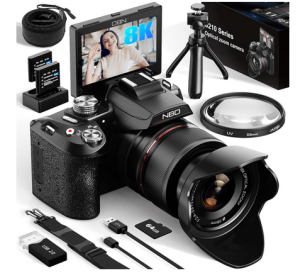

Factors to Consider when Choosing the Best Cameras with Flip Screen
Choosing the best camera with a flip screen comes down to more than just having a screen that moves. From everything discussed above, here are eight important factors to keep in mind, each playing a key role in finding the right fit for your photography or content creation needs.
1.Image sensor quality and resolution
A camera’s sensor size and megapixel count directly affect how sharp and detailed your photos and videos will look. Larger sensors generally perform better in low light, offer richer color depth, and allow more control over background blur. Resolution also matters if you plan to crop images or print them at larger sizes.
2.Video recording capability
Many flip-screen cameras are popular because they cater to vloggers and creators, so strong video specs are essential. Look for options that support high-resolution formats like 4K or beyond, smooth frame rates, and clean footage without distortion. Higher-quality video features make a big difference for professional-looking content.
3.Autofocus performance
Fast and accurate autofocus is critical, especially for moving subjects or self-recording. Modern systems with eye detection, face tracking, and subject recognition help ensure that the camera keeps focus where it belongs. This is especially useful for creators filming themselves, pets, or action-heavy scenes.
4.Flip screen flexibility and usability
Not all flip screens work the same way, so it’s important to consider how it articulates. Fully vari-angle designs are ideal for front-facing vlogging, while tilt screens may work better for photography from high or low angles. Touchscreen control is also a major bonus for quickly adjusting focus and settings.
5.Lens versatility and zoom options
Some cameras come with interchangeable lenses, while others include built-in zoom lenses. Interchangeable systems provide room to grow with different lenses for portraits, landscapes, or wide-angle vlogging. Optical zoom is also important for capturing distant subjects clearly without losing detail.
6.Stabilization and handheld performance
If you plan to shoot while walking or recording handheld video, stabilization becomes essential. Cameras may offer lens-based stabilization, digital stabilization, or in some cases in-body stabilization. Better stabilization results in smoother footage and sharper images without needing a tripod.
7.Connectivity and content-sharing features
Many modern cameras include Wi-Fi, Bluetooth, USB streaming, or HDMI output for livestreaming. These tools make it much easier to transfer files to a phone, control the camera remotely, or stream directly to platforms without complicated setups. Strong connectivity is especially important for social media creators.
8.Included accessories and overall value
Bundles can significantly improve the buying experience by providing essentials like memory cards, extra batteries, microphones, tripods, bags, and cleaning kits. Having the right accessories from the start saves money and ensures you can begin shooting immediately without additional purchases.
By focusing on these eight factors, you can choose a flip-screen camera that matches your goals, whether you’re photographing travel adventures, creating professional video content, or simply upgrading your everyday shooting experience.
Next post:5 Best DSLR Cameras for Live Streaming
Advantages of Using a Camera with a Flip Screen
Conclusion
Whether you’re a beginner upgrading from a smartphone or a creator looking for a portable yet powerful setup, flip-screen cameras offer the perfect balance of performance and usability, making them some of the most practical and enjoyable cameras to use today.